
Sketch of Archilife Study Tour, October 2025


|
2025年10月份見識之旅縮影  2025年10月18日由呂明澐小姐帶領14位見習生及其家長們,至南投進行埔里手工造紙奧秘暨桃米生態村體驗之旅。首站前往廣興紙寮,其前身為廣興造紙廠,創辦人承接日治時期奠定的造紙基礎,結合當地潔淨、適合造紙的水源,讓傳統手工紙業得以再度發揚。在導覽員帶領下,大家進行團扇DIY體驗。從抄紙開始,見習生與家長依序攪拌紙漿水,將紙漿水撈入抄紙框架,再以雙手水平輕搖瀝水,讓纖維均勻附著在竹簾上形成紙膜,完成所謂的「盪漿入簾」;紙膜在取下時若稍有不慎破損便須重來,比例與時機的掌握相當考驗技巧,之後經過壓紙、烘紙、拓印、裁剪與黏貼等步驟,眾人順利完成各自的手作團扇。接著前往師傅的工作區參觀,並走訪紙產業文化館,欣賞以各種原料製成的手工紙與紙製文物;植物纖維是手工紙的主要材料,其中以樹皮纖維最為常見,然而使用不同植物,如蒜膜、銀杏葉、甘蔗渣、茭白筍殼等,皆能呈現截然不同的色澤、紋路與觸感。現場展示的可食用「菜倫紙」與可製成服飾、配件的耐水紙布,更展現了手工紙的多樣創意與延伸應用。 2025年10月18日由呂明澐小姐帶領14位見習生及其家長們,至南投進行埔里手工造紙奧秘暨桃米生態村體驗之旅。首站前往廣興紙寮,其前身為廣興造紙廠,創辦人承接日治時期奠定的造紙基礎,結合當地潔淨、適合造紙的水源,讓傳統手工紙業得以再度發揚。在導覽員帶領下,大家進行團扇DIY體驗。從抄紙開始,見習生與家長依序攪拌紙漿水,將紙漿水撈入抄紙框架,再以雙手水平輕搖瀝水,讓纖維均勻附著在竹簾上形成紙膜,完成所謂的「盪漿入簾」;紙膜在取下時若稍有不慎破損便須重來,比例與時機的掌握相當考驗技巧,之後經過壓紙、烘紙、拓印、裁剪與黏貼等步驟,眾人順利完成各自的手作團扇。接著前往師傅的工作區參觀,並走訪紙產業文化館,欣賞以各種原料製成的手工紙與紙製文物;植物纖維是手工紙的主要材料,其中以樹皮纖維最為常見,然而使用不同植物,如蒜膜、銀杏葉、甘蔗渣、茭白筍殼等,皆能呈現截然不同的色澤、紋路與觸感。現場展示的可食用「菜倫紙」與可製成服飾、配件的耐水紙布,更展現了手工紙的多樣創意與延伸應用。 For the study tour of October 18, 2025, Ms. Lu Ming-yun led 14 ARF interns and their parents on a trip to learn the secrets of handmade papermaking and explore Taomi Ecovillage in Nantou. The first stop was Goang Xing Paper Mill, which has revitalized the traditional papermaking industry by leveraging pristine local water resources while building on the papermaking foundations established during the Japanese Occupation. During the DIY session to make a round paper fan, everyone began by stirring the pulp slurry and scooping it with a mold and deckle, then draining it to form a sheet. If the sheet was torn during removal, the process had to be repeated, greatly testing one's ability to achieve the right ratio and timing. After pressing, baking, printing, cutting, and pasting, everyone finally completed their handmade fans. Next, everyone visited the papermaking masters' work area, and admired the handmade paper and paper artifacts produced from various raw materials. Handmade paper is mainly composed of plant fibers, with bark fiber being the most commonly used. However, plant-derived materials such as garlic bulb skins, ginkgo leaves, sugarcane pulp and water bamboo shell, can also be used to create different colors, patterns, and textures. Edible paper and water-resistant paper, which can be made into apparel and accessories, are also showcased on site, demonstrating the creativity and diverse applications of handmade paper. 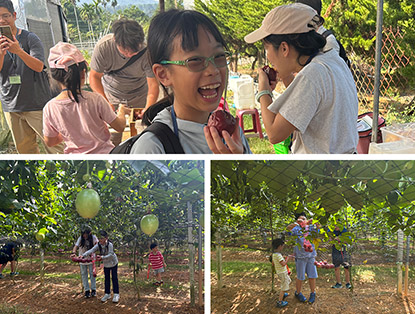 下午來到桃米生態村的百香果園體驗採果。甫踏入果園,園主便端出滿滿的百香果供大家品嚐,酸甜清爽的滋味讓見習生們直呼好吃。眾人在享用之餘,也聆聽園主介紹百香果的品種與生長方式。除了以刀子切開外,園主還展示埔里在地人徒手剖果的秘技—拔掉蒂頭後,以雙手食指與大拇指用力一捏,果實便能輕鬆裂開。這獨特的技巧讓大家大開眼界,紛紛上前嘗試,場面熱鬧又有趣。在採果前,園主提醒挑選果實時應先掂量重量並輕晃確認是否無水聲,如此果肉才會香甜不酸。隨後大家滿懷期待走入果園,在枝葉與網架間彎身穿梭,或搖晃、或掂量,細心挑選完新鮮飽滿的百香果,眾人皆滿載而歸。採果結束後,大家跟著導覽員的腳步,在紙教堂新故鄉見學園區展開深度走讀,從蝶夢與夢蝶亭、青蛙雕塑一路走至象徵台日友好的紙教堂,循著這些足跡認識桃米生態村的歷史與故事。921大地震後,居民集結力量整合生態資源與人文底蘊,努力重建家園;日本也將原為阪神大地震災民搭建的紙教堂遠渡運來台灣,延續其象徵希望的意義。紙教堂以58根紙管支撐,全以紙料建構,不見任何鋼筋水泥,展現紙張柔韌卻堅實的力量,正如桃米社區在災後共同重建的精神—薄紙雖輕,只要凝聚起來,也能撐起一座建築。至此,本日走訪埔里的活動已近尾聲,從傳統產業、特色農產到地景建造所展現的地方韌性,也讓大家更期待下次見識之旅的在地體驗。 下午來到桃米生態村的百香果園體驗採果。甫踏入果園,園主便端出滿滿的百香果供大家品嚐,酸甜清爽的滋味讓見習生們直呼好吃。眾人在享用之餘,也聆聽園主介紹百香果的品種與生長方式。除了以刀子切開外,園主還展示埔里在地人徒手剖果的秘技—拔掉蒂頭後,以雙手食指與大拇指用力一捏,果實便能輕鬆裂開。這獨特的技巧讓大家大開眼界,紛紛上前嘗試,場面熱鬧又有趣。在採果前,園主提醒挑選果實時應先掂量重量並輕晃確認是否無水聲,如此果肉才會香甜不酸。隨後大家滿懷期待走入果園,在枝葉與網架間彎身穿梭,或搖晃、或掂量,細心挑選完新鮮飽滿的百香果,眾人皆滿載而歸。採果結束後,大家跟著導覽員的腳步,在紙教堂新故鄉見學園區展開深度走讀,從蝶夢與夢蝶亭、青蛙雕塑一路走至象徵台日友好的紙教堂,循著這些足跡認識桃米生態村的歷史與故事。921大地震後,居民集結力量整合生態資源與人文底蘊,努力重建家園;日本也將原為阪神大地震災民搭建的紙教堂遠渡運來台灣,延續其象徵希望的意義。紙教堂以58根紙管支撐,全以紙料建構,不見任何鋼筋水泥,展現紙張柔韌卻堅實的力量,正如桃米社區在災後共同重建的精神—薄紙雖輕,只要凝聚起來,也能撐起一座建築。至此,本日走訪埔里的活動已近尾聲,從傳統產業、特色農產到地景建造所展現的地方韌性,也讓大家更期待下次見識之旅的在地體驗。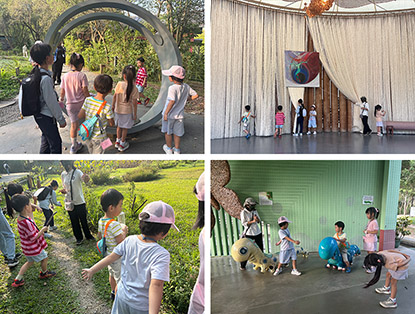 At Taomi Ecovillage in the afternoon, everyone enjoyed refreshing passion fruits, and learned about their varieties and growth. Plantation owner also demonstrated the local way of splitting open a passion fruit-removing its stem and pressing down hard with both index fingers and thumbs. This unique method was an eye-opener, creating much excitement as everyone tried it out. Before the fruit-picking activity, everyone was reminded to weigh each fruit in their hand and gently shake it to check for liquid movement to ensure the flesh is sweet. Afterward, everyone entered the orchard with eager anticipation, bent and moved through the vines and trellises, shook and weighed the fruit, and carefully selected fresh, plump passion fruit, returning with baskets full of harvest. After the fruit picking, everyone embarked on a guided tour, learning about the history and stories of Taomi Ecovillage while passing by butterfly-inspired canopies, frog sculptures and the Paper Dome that signifies friendship between Taiwan and Japan. In the aftermath of 921 Earthquake, residents have pulled together ecological and cultural resources to rebuild their homeland. The Paper Dome originally built for disaster victims in the Kobe Earthquake, was relocated from Japan as a symbol of hope. Supported by 58 paper tubes, the Paper Dome is built without any concrete or steel, demonstrating the strength and resilience of paper. Such resilience echoes the spirit of Taomi community after the disaster. By this point, the day's visit to Puli was drawing to a close. From traditional industries and distinctive agricultural products to the local resilience demonstrated through landscape development, the experience left everyone looking forward to the next study tour and its immersive local encounters. At Taomi Ecovillage in the afternoon, everyone enjoyed refreshing passion fruits, and learned about their varieties and growth. Plantation owner also demonstrated the local way of splitting open a passion fruit-removing its stem and pressing down hard with both index fingers and thumbs. This unique method was an eye-opener, creating much excitement as everyone tried it out. Before the fruit-picking activity, everyone was reminded to weigh each fruit in their hand and gently shake it to check for liquid movement to ensure the flesh is sweet. Afterward, everyone entered the orchard with eager anticipation, bent and moved through the vines and trellises, shook and weighed the fruit, and carefully selected fresh, plump passion fruit, returning with baskets full of harvest. After the fruit picking, everyone embarked on a guided tour, learning about the history and stories of Taomi Ecovillage while passing by butterfly-inspired canopies, frog sculptures and the Paper Dome that signifies friendship between Taiwan and Japan. In the aftermath of 921 Earthquake, residents have pulled together ecological and cultural resources to rebuild their homeland. The Paper Dome originally built for disaster victims in the Kobe Earthquake, was relocated from Japan as a symbol of hope. Supported by 58 paper tubes, the Paper Dome is built without any concrete or steel, demonstrating the strength and resilience of paper. Such resilience echoes the spirit of Taomi community after the disaster. By this point, the day's visit to Puli was drawing to a close. From traditional industries and distinctive agricultural products to the local resilience demonstrated through landscape development, the experience left everyone looking forward to the next study tour and its immersive local encounters.
|
