
Sketch of Public Policy Communion, December 2025


|
2025年12月份國政聯誼會縮影  本會於2025年12月14日假晶華酒店地下三樓晶英會舉行「祐生國政聯誼會」。由主持人黃晉英秘書長宣布後揭開當日活動序幕,在輕鬆、活潑的節目之下,隨即由主持人帶來重要訊息:「美國於2025年12月4日公布的「國家安全戰略」,內容除提及台灣在全球半導體製造的領導地位,更強調台灣位居地緣戰略及全球航運的關鍵位置,對美國經濟具重大影響,也是印太地區穩定的「戰略樞紐」。另外,祐生的研究與發展能量來自長期累積,凝聚了祐生成員的共同努力與奉獻。而生活特組歷經三年時間,在祐生宗旨與信念的引領下,逐步擬定新的導引方向,持續為台灣的未來注入前行的力量。」接著,黃晉英秘書長介紹新任知識執守者,分別為環境工程執守者胡曉鈞小姐、術數執守者朱家葦先生及散文執守者黃旭耀先生,亦致贈禮品予新任知識執守者推薦人:交通工程執守者陳昱名先生表達感謝。」 The December Archilife Public Policy Communion of 2025 was held on December 14, 2025. After a series of relaxing and fun activities, Secretary General Huang Chin-ying made the following announcement, "The U.S. National Security Strategy, announced on December 4, 2025, not only details Taiwan's leading status in global semiconductor manufacturing, but also emphasizes Taiwan's pivotal geo-maritime position, which has a significant impact on the U.S. economy and serves as a strategic hub that stabilizes the Indo-Pacific region. Additionally, Archilife’s research and development momentum stems from long-term accumulation, reflecting its members’ concerted efforts and dedication. Over three years, the Living Special Team, guided by Archilife's purpose and beliefs, has steadily established new guiding principles to fuel Taiwan's future." Later on, the new knowledge keepers introduced themselves to the members. Gift was also presented to the new knowledge keeper's referrers to show gratitude." 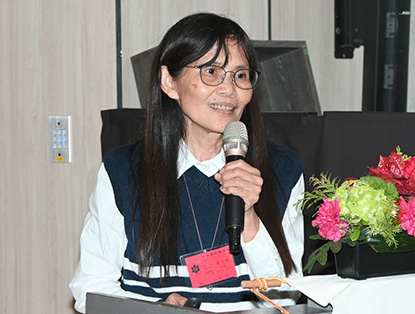 緊接著進行專題演講,由國政委員張宇彤小姐主講「西子灣行館的前世今生及再利用」。主講人首先介紹西子灣行館位於國立中山大學內,背倚壽山,面朝西子灣。其於昭和10年創建,為鋼筋混凝土與木軸組結構。舊時曾為海水浴場附屬的溫水澡堂,以及軍官招待所或官兵療養所,1952年起成為先總統蔣介石在南部的行館。其於2022年6月啟動古蹟修復工程,2024年1月完工落成,時至今日,演變為藝文展示場域,並有咖啡廳進駐。主講人接著以影片呈現西子灣行館細節樣貌,表示在修復過程中,除了保留當時文化與生活模態,也體會到不同時空背景的空間使用,驗證了歷史的進程。 緊接著進行專題演講,由國政委員張宇彤小姐主講「西子灣行館的前世今生及再利用」。主講人首先介紹西子灣行館位於國立中山大學內,背倚壽山,面朝西子灣。其於昭和10年創建,為鋼筋混凝土與木軸組結構。舊時曾為海水浴場附屬的溫水澡堂,以及軍官招待所或官兵療養所,1952年起成為先總統蔣介石在南部的行館。其於2022年6月啟動古蹟修復工程,2024年1月完工落成,時至今日,演變為藝文展示場域,並有咖啡廳進駐。主講人接著以影片呈現西子灣行館細節樣貌,表示在修復過程中,除了保留當時文化與生活模態,也體會到不同時空背景的空間使用,驗證了歷史的進程。Next on the schedule was the keynote speech. First, Ms. Chang Yu-tung presented a speech on "The Past, Present, and Reutilization of the Sizihwan Hall." The speaker first referenced Sizihwan Hall, situated within National Sun Yat-sen University, with its rear facing Shoushan and its front overlooking Sizihwan. Built in the year AD 1935 (Showa 10), it is constructed of reinforced concrete with a timber framework. Previously a warm-water bathhouse linked to a bathing beach, as well as a guesthouse for military officers and a sanatorium for soldiers, it became Chiang Kai-shek's residence in southern Taiwan in 1952. A restoration project commenced in June 2022 and was completed in January 2024. The Sizihwan Hall has now been repurposed as a venue for arts and culture exhibitions, with cafés occupying the space. The speaker subsequently presented a video illustrating its features and appearance. This is an indication that during the restoration process, in addition to preserving the culture and lifestyle of the time, one can also engage with spatial utilization across various temporal and spatial contexts, reflecting the progression of history. 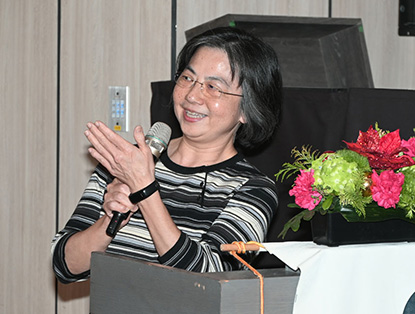 接著由國政委員顏秀慧小姐主講「碳排有價與自主減量」。主講人首先說明台灣溫室氣體排放情形,以製造部門排放占比最高,並表示透過跨部會整合,總統府「國家氣候變遷對策委員會」提出新目標,期望2030年碳排減量26%~30%。因此,「碳定價」應運而生,是為碳排放設定價格,讓排放者付費,以經濟誘因促使企業減少碳排放,實現氣候成本內部化,達成減碳目標並降低氣候風險。主講人接著說明各國碳定價方式包含碳費、碳稅及碳交易,台灣已於2025年公告費率及制定收費對象,預計2026年開始徵收。而企業可提出自助減量計畫,以取得優惠費率,順勢達成產業升級的契機。 接著由國政委員顏秀慧小姐主講「碳排有價與自主減量」。主講人首先說明台灣溫室氣體排放情形,以製造部門排放占比最高,並表示透過跨部會整合,總統府「國家氣候變遷對策委員會」提出新目標,期望2030年碳排減量26%~30%。因此,「碳定價」應運而生,是為碳排放設定價格,讓排放者付費,以經濟誘因促使企業減少碳排放,實現氣候成本內部化,達成減碳目標並降低氣候風險。主講人接著說明各國碳定價方式包含碳費、碳稅及碳交易,台灣已於2025年公告費率及制定收費對象,預計2026年開始徵收。而企業可提出自助減量計畫,以取得優惠費率,順勢達成產業升級的契機。Next, Ms. Yen Hsiu-hui spoke on "Carbon Emission Pricing and Voluntary Reduction." The speaker first explained Taiwan's greenhouse gas emissions, noting that the manufacturing sector accounts for the largest share of these emissions. The Office of the President's "National Climate Change Strategy Committee" has proposed interministerial integration to achieve a reduction of 26% to 30% in carbon emissions by 2030. As a result, "carbon pricing" emerged, referring to the practice of setting prices for carbon emissions and requiring emitters to pay. Businesses will thus be prompted to cut carbon emissions through economic incentives, thereby internalizing climate costs, meeting carbon reduction objectives, and mitigating climate risk. The speaker went on to explain different countries' carbon pricing approaches, such as carbon fees, taxes, and trading. Taiwan released the rates and specified the parties from whom the fees would be collected for 2025, with the levy set to commence in 2026. Businesses can propose self-initiated reduction plans to secure preferential rates, thereby fostering opportunities for industrial advancement. 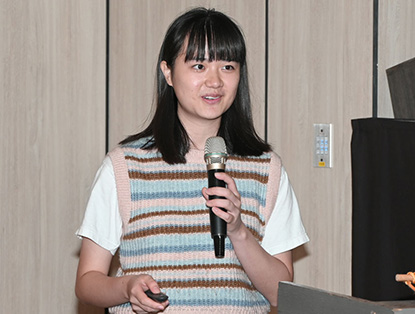 接著由國政委員劉庭妍小姐主講「OECD 2025年青少年孤島化報告之現象與解方」。主講人首先表示OECD首次跨國調查顯示,16~24歲青年是孤獨惡化最快、風險最高的族群,建議各國政府應將此族群視為政策優先關注對象。而造成青年與社會脫節的深層原因,包含人際社交模式的結構性轉變與疫情衝擊、數位科技與社群媒體的使用及社會基礎設施不足。主講人接著表示,面對孤獨挑戰,OECD呼籲教育政策應從以下三方面著手:系統性教育政策規劃、強化學校作為社會支持與歸屬感的場所及限制與規範數位設備在校園內的使用。最後,主講人也鼓勵大家多親近大自然,能減緩壓力賀爾蒙分泌,降低緊張感。 接著由國政委員劉庭妍小姐主講「OECD 2025年青少年孤島化報告之現象與解方」。主講人首先表示OECD首次跨國調查顯示,16~24歲青年是孤獨惡化最快、風險最高的族群,建議各國政府應將此族群視為政策優先關注對象。而造成青年與社會脫節的深層原因,包含人際社交模式的結構性轉變與疫情衝擊、數位科技與社群媒體的使用及社會基礎設施不足。主講人接著表示,面對孤獨挑戰,OECD呼籲教育政策應從以下三方面著手:系統性教育政策規劃、強化學校作為社會支持與歸屬感的場所及限制與規範數位設備在校園內的使用。最後,主講人也鼓勵大家多親近大自然,能減緩壓力賀爾蒙分泌,降低緊張感。Next, Ms. Liu Ting-yan spoke on "The Phenomena and Solutions in the OECD 2025 Report on Youth Isolation." The speaker began by stating that the OECD's first multinational survey revealed that young people aged 16 to 24 are a demographic experiencing the fastest rise in isolation and facing the greatest risk. It is suggested that governments worldwide prioritize this demographic in their policy initiatives. The underlying causes of young people's disconnection from society include structural changes in interpersonal and social models, pandemic-related effects, access to digital technology, social networking media, and a lack of social infrastructure. The speaker then remarked that, in the face of loneliness-related challenges, the OECD advocates for education policies to focus on three aspects: systematic educational policy planning, strengthening schools as a source of social support and belonging, and limiting and regulating the use of digital equipment on campus. Finally, the speaker encouraged everyone to spend more time in nature to reduce the secretion of stress hormones and alleviate tension. 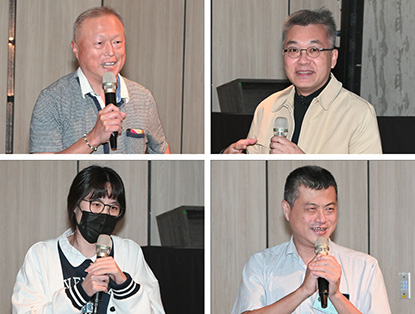 演講完畢,黃晉英秘書長代表基金會致贈謝禮予主講人。接著在與會者紛紛利用「餵豬時間」提出個人意見與看法交流後,圓滿地結束十二月份國政聯誼會。 演講完畢,黃晉英秘書長代表基金會致贈謝禮予主講人。接著在與會者紛紛利用「餵豬時間」提出個人意見與看法交流後,圓滿地結束十二月份國政聯誼會。After the speech, Secretary General Huang Chin-ying presented a gift to the speakers on behalf of the foundation. Then, attendees expressed and exchanged their opinions and views during the piggy hour. The December Archilife Public Policy Communion ended smoothly. |
