
Sketch of Archilife Study Tour, January 2026


|
2026年1月份見識之旅縮影 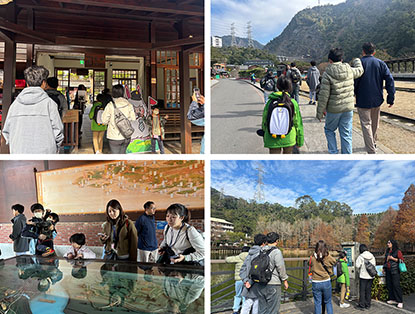 2026年1月24日由呂明澐小姐帶領16位見習生及其家長們,至南投車埕進行木業文化探索暨山蕉食作體驗之旅。首站抵達車埕,由導覽人員沿途介紹當地自鐵道建設到木業興盛的發展歷程。車埕早期為輕便車停放之地,亦是蔗糖運輸的中繼站;其後隨著發電廠興建,鐵路拓寬並轉型為火車軌道,用以運載大型機具。1960年代隨著木業發展仰賴鐵路運輸,集集支線逐漸繁榮,車埕也成為木材集散的重要據點。早期蒸汽火車行駛時,沿線車站多設有加煤台與水鶴以補充燃料與用水,而車埕至今仍可見這些設施。此外,當地亦設有貯木池,用以暫存運送前後的木材,並利用水體防腐、防蛀及減少龜裂,同時藉浮力便利木材分類與管理。 2026年1月24日由呂明澐小姐帶領16位見習生及其家長們,至南投車埕進行木業文化探索暨山蕉食作體驗之旅。首站抵達車埕,由導覽人員沿途介紹當地自鐵道建設到木業興盛的發展歷程。車埕早期為輕便車停放之地,亦是蔗糖運輸的中繼站;其後隨著發電廠興建,鐵路拓寬並轉型為火車軌道,用以運載大型機具。1960年代隨著木業發展仰賴鐵路運輸,集集支線逐漸繁榮,車埕也成為木材集散的重要據點。早期蒸汽火車行駛時,沿線車站多設有加煤台與水鶴以補充燃料與用水,而車埕至今仍可見這些設施。此外,當地亦設有貯木池,用以暫存運送前後的木材,並利用水體防腐、防蛀及減少龜裂,同時藉浮力便利木材分類與管理。 For the study tour of January 24, 2026, Ms. Lu Ming-yun led 16 ARF interns and their parents on a trip to explore logging culture and food made from mountain bananas in Checheng, Nantou. At the first stop in Checheng, everyone was introduced to the history of railway construction and the rise of logging industry. Checheng was originally a parking area for light rail-carts and served as a transfer station for sugar transportation. Later, with the construction of a power plant, the railway was expanded and developed into train tracks to accommodate the transportation of large machinery. In 1960s, with increasing reliance on rail transportation by the logging industry, the Jiji Branch Line prospered, and Checheng became the distribution hub for wood. When steam locomotives were in use, most train stations had coal towers and water cranes to refill fuel and water. These facilities can still be seen in Checheng today. Checheng also has log ponds for storage of wooden logs before and after transportation. Water prevents decay, cracking, and insect attack, while buoyancy facilitates log sorting and management. 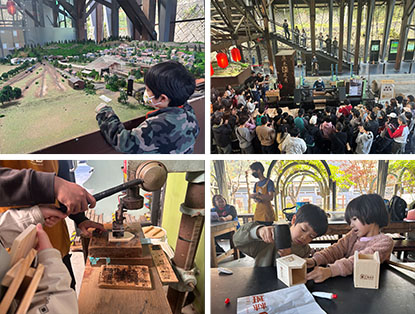 隨後導覽人員帶領眾人前往鄰近的車埕木業展示館,其前身為木業鼎盛之際的大型原木工廠,1985年政府實施天然林禁伐政策,工廠停工並尋求轉型,現以展示與教育推廣為主。當天館內安排原木剝皮秀,由被譽為「大型削鉛筆機」的旋切機削切台灣香樟,勻速旋轉下,精準削出厚度約0.2公分的大片樹皮;除專業剝皮示範外,館方也安排了趣味的有獎徵答,見習生們踴躍舉手回答問題,最後抱回新鮮樟木樹皮作為今日最芬芳的戰利品。眾人帶著樟木餘香前往用餐,並於貯木池畔餵魚、稍作歇息後,續往林班道體驗工廠參與牛奶盒筆筒木工DIY。眾人依序排隊將木片燒烙圖案,隨後按步驟於接合處塗抹白膠,輕敲組裝、嵌入底板,一件實用作品便告完成,親身體會天然木材與手作工藝交織的樂趣。 隨後導覽人員帶領眾人前往鄰近的車埕木業展示館,其前身為木業鼎盛之際的大型原木工廠,1985年政府實施天然林禁伐政策,工廠停工並尋求轉型,現以展示與教育推廣為主。當天館內安排原木剝皮秀,由被譽為「大型削鉛筆機」的旋切機削切台灣香樟,勻速旋轉下,精準削出厚度約0.2公分的大片樹皮;除專業剝皮示範外,館方也安排了趣味的有獎徵答,見習生們踴躍舉手回答問題,最後抱回新鮮樟木樹皮作為今日最芬芳的戰利品。眾人帶著樟木餘香前往用餐,並於貯木池畔餵魚、稍作歇息後,續往林班道體驗工廠參與牛奶盒筆筒木工DIY。眾人依序排隊將木片燒烙圖案,隨後按步驟於接合處塗抹白膠,輕敲組裝、嵌入底板,一件實用作品便告完成,親身體會天然木材與手作工藝交織的樂趣。 he next place visited was Checheng Logging Exhibition Hall. Formerly a large wood factory in the heyday of the logging industry, it stopped operating after the government's ban on deforestation in 1985 and now serves exhibition and education purposes. On the day of visit, the Exhibition Hall demonstrated how a rotary cutter-—known as a "big pencil sharpener"—sliced off large pieces of bark measuring approximately 0.2 cm thick from a camphor tree. During the quiz that followed, interns enthusiastically raised their hands to answer questions, winning fresh aromatic camphor bark for themselves. After lunch and a short break where everyone fed fish in the log pond, it was DIY woodwork at The Grove Experience Factory. Everyone started by queuing up to etch patterns on wood pieces, followed by gluing, assembling and fitting pieces to make a milk-carton pen holder, enjoying the fun of mixing natural wood with artwork. 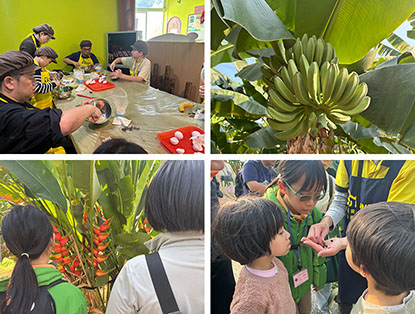 下午前往集元果觀光工廠,眾人首先進行山蕉蛋糕DIY。活動一開始即需打發雞蛋,許多年幼的見習生首次體驗將蛋黃與蛋白分離,過程中不時傳來驚呼聲;蛋殼掉入碗中、蛋黃混合情形頻傳,一度手忙腳亂,所幸在老師指導下逐漸步入正軌。之後依序加入山蕉、麵粉與砂糖拌勻,將麵糊倒入模具,撒上南瓜籽,送入烤箱靜待成果出爐。等待期間,導覽人員帶領眾人到戶外園區認識各式蕉種,品項繁多、令人目不暇給;如在泰國被稱為「合掌之手」的蛤蜊蕉、綠白交織如雲的雲彩芭蕉,以及色澤朱紅、花苞宛如蟹爪垂掛的火紅赫蕉,皆屬平日難得一見品種。導覽同時說明辨識香蕉大小要領,可由假莖粗細加以判斷;假莖越粗壯,果實通常也越碩大。最後回到室內展館,認識不同品種香蕉的特色差異與相關健康知識;互動式投影小遊戲寓教於樂,讓見習生們流連忘返。隨後取回甫出爐的山蕉蛋糕細細品嚐,在視覺與味覺交織的感受中,為當日行程畫下香甜而圓滿的句點。 下午前往集元果觀光工廠,眾人首先進行山蕉蛋糕DIY。活動一開始即需打發雞蛋,許多年幼的見習生首次體驗將蛋黃與蛋白分離,過程中不時傳來驚呼聲;蛋殼掉入碗中、蛋黃混合情形頻傳,一度手忙腳亂,所幸在老師指導下逐漸步入正軌。之後依序加入山蕉、麵粉與砂糖拌勻,將麵糊倒入模具,撒上南瓜籽,送入烤箱靜待成果出爐。等待期間,導覽人員帶領眾人到戶外園區認識各式蕉種,品項繁多、令人目不暇給;如在泰國被稱為「合掌之手」的蛤蜊蕉、綠白交織如雲的雲彩芭蕉,以及色澤朱紅、花苞宛如蟹爪垂掛的火紅赫蕉,皆屬平日難得一見品種。導覽同時說明辨識香蕉大小要領,可由假莖粗細加以判斷;假莖越粗壯,果實通常也越碩大。最後回到室內展館,認識不同品種香蕉的特色差異與相關健康知識;互動式投影小遊戲寓教於樂,讓見習生們流連忘返。隨後取回甫出爐的山蕉蛋糕細細品嚐,在視覺與味覺交織的感受中,為當日行程畫下香甜而圓滿的句點。At Jijibanana Leisure Farm in the afternoon, everyone learned to make mountain banana cake. For many young interns, it was their first time separating egg yolks from egg whites. At first there were panicked screams as eggshells dropped into bowls and yolks and whites were mixed together. Thankfully, everything gradually fell into place with the instructor's guidance. The eggs were mixed with mountain bananas, flour and sugar, and the batter was poured into molds and sprinkled with some pumpkin seeds. While waiting for the cake to bake, everyone went outdoors to learn the different varieties of bananas, including uncommon ones such as Clamshell bananas, Musa Florida variegated bananas and Red Palulu bananas. Thickness of the pseudostem determines the size of its fruits. Back indoors, everyone learned about characteristics of various bananas and related health facts. Interactive wall games also kept the interns engaged. The day ended on a sweet note as everyone savored their freshly baked banana cake. |
