Sketch of Public Policy Communion, August 2026Date: 2026-09-17
Section: Activity | 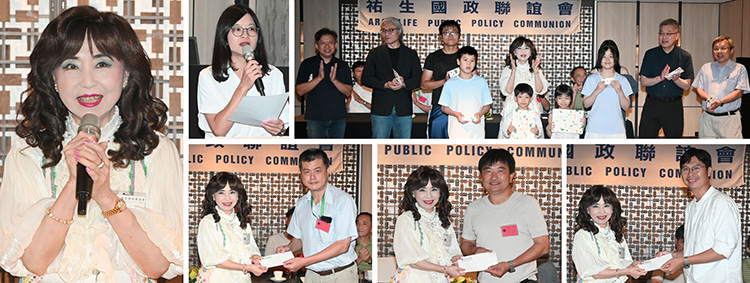
本會於2026年8月16日假晶華酒店地下三樓晶英會舉行「祐生國政聯誼會」。由主持人黃晉英秘書長宣布後揭開當日活動序幕,在來賓介紹、慶生之後,隨即由主持人帶來重要訊息:「最新氣象趨勢預測,今年下半年「超級聖嬰」成形,全球極端高溫恐引發糧食減產與能源需求激增。面對氣候異變的嚴峻挑戰,「減緩與調適」已刻不容緩。與此同時,美國總統川普的動向持續牽動全球局勢,所幸台灣位居關鍵戰略樞紐,並以半導體「矽盾」築起堅實屏障。最後提醒大家,時值天干地支雙火交疊的丙午年,又稱「火馬年」,面對多變的環境,更需穩健守成、審慎應對。除了維護身心健康、處事謹慎明辨人事是非,更應保持冷靜與智慧,方能沉著化解各項挑戰。」
The August Archilife Public Policy Communion of 2026 was held on August 16, 2026. After introducing the guests and the birthday celebrations, Secretary General Huang Chin-ying made the following announcement, "A Super El Nino is developing in the latter half of this year, as indicated by the most recent meteorological forecast. This extreme global heat potentially leads to a reduction in food production alongside surging energy demand, necessitating both mitigation and adaptation. Meanwhile, US President Donald Trump's policy moves continue to influence global dynamics. Fortunately, Taiwan holds a pivotal strategic position, anchored by the robust defense of its semiconductor silicon shield. At a time when the Bingwu Year, also referred to as the Fire Horse Year, is approaching and is marked by overlapping fire elements within the Stem-Branch system, steady consolidation and cautious approach are required amid a dynamic landscape. Maintaining our physical and mental well-being, exercising prudence, and distinguishing right from wrong across all people and circumstances will enable us to address various challenges with calm, wise composure."
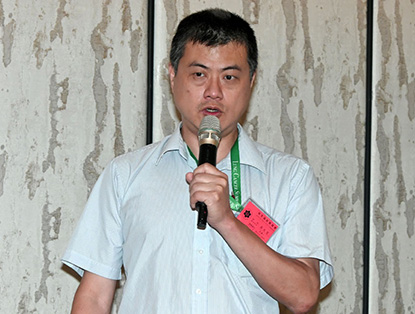 緊接著進行專題演講,由國政委員吳元宏先生主講「加速器硼中子捕獲治療」。主講人首先表示現階段台北榮民總醫院的「硼中子捕獲治療中心」正持續推進。加速器硼中子捕獲治療AB-BNCT,是一種先進的細胞級標靶放射治療技術,先讓病人使用會被癌細胞大量吸收的藥物BPA,再照射熱中子,與進入癌細胞的BPA產生反應,在小範圍內集中破壞癌細胞,同時保護周遭正常組織。主講人也舉出許多案例說明,包含難治與頑固性腫瘤,數據顯示治療成效相當顯著,其相關治療論文亦獲得第30屆台灣癌症聯合年會優良論文獎。主講人表示,期望未來能有更多適應症,並能發展手術中的BNCT,以及與其他放療方式、藥物併用,幫助更多病人得到良好的治療。 緊接著進行專題演講,由國政委員吳元宏先生主講「加速器硼中子捕獲治療」。主講人首先表示現階段台北榮民總醫院的「硼中子捕獲治療中心」正持續推進。加速器硼中子捕獲治療AB-BNCT,是一種先進的細胞級標靶放射治療技術,先讓病人使用會被癌細胞大量吸收的藥物BPA,再照射熱中子,與進入癌細胞的BPA產生反應,在小範圍內集中破壞癌細胞,同時保護周遭正常組織。主講人也舉出許多案例說明,包含難治與頑固性腫瘤,數據顯示治療成效相當顯著,其相關治療論文亦獲得第30屆台灣癌症聯合年會優良論文獎。主講人表示,期望未來能有更多適應症,並能發展手術中的BNCT,以及與其他放療方式、藥物併用,幫助更多病人得到良好的治療。
Next on the schedule was the keynote speech. First, Mr. Wu Yuan-hung presented a speech on "Accelerator-based Boron Neutron Capture Therapy (AB-BNCT)." The speaker first stated that the "Boron Neutron Capture Therapy Center" at Taipei Veterans General Hospital is currently progressing steadily. AB-BNCT is a sophisticated cellular-level targeted radiotherapy technology. Patients are initially administered a drug known as BPA, which is absorbed by cancer cells in significant quantities. Then, thermal neutrons are used to irradiate the cells, reacting with the BPA that has entered the cancer cells, resulting in their destruction while safeguarding the normal surrounding tissues. The speaker also cited many examples, including refractory and intractable tumors, data show that the treatment efficacy is quite significant. and his treatment-related paper was awarded the Best Paper Award at the 30th Taiwan Joint Cancer Conference. The speaker anticipated that clinical indications will grow, alongside the development of intraoperative BNCT and the integration of boron neutron capture therapy (BNCT) with other radiotherapies, ensuring that more patients receive optimal treatment.
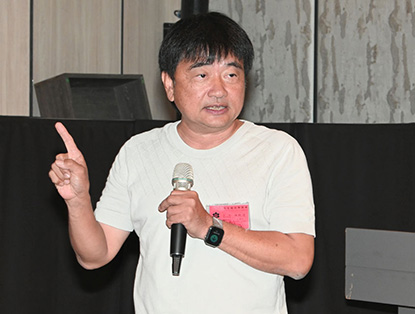 接著由國政委員林致遠先生主講「秀巒溫泉韌性部落與里山觀光」。主講人首先表示秀巒溫泉區擁有豐富的遊憩資源,唯當地並未將溫泉資源善加運用,因此,如何結合在地溫泉資源與里山永續理念,轉型為兼具防災韌性與高附加價值的觀光保養地,是地方永續發展之課題。主講人提出了秀巒部落建立韌性產業發展模式,建議可引進「德國克奈普療法」,並參考各國溫泉產業經營模式,以健康促進為核心,強調休閒養生的特色。建議由政府進行困難度較高的溫泉取供事業,提供予當地業者使用,期望透過公私協力,為秀巒部落建構韌性經濟。 接著由國政委員林致遠先生主講「秀巒溫泉韌性部落與里山觀光」。主講人首先表示秀巒溫泉區擁有豐富的遊憩資源,唯當地並未將溫泉資源善加運用,因此,如何結合在地溫泉資源與里山永續理念,轉型為兼具防災韌性與高附加價值的觀光保養地,是地方永續發展之課題。主講人提出了秀巒部落建立韌性產業發展模式,建議可引進「德國克奈普療法」,並參考各國溫泉產業經營模式,以健康促進為核心,強調休閒養生的特色。建議由政府進行困難度較高的溫泉取供事業,提供予當地業者使用,期望透過公私協力,為秀巒部落建構韌性經濟。
Next, Mr. Lin Chih-yuan spoke on "The Resilient Tribal Village of Xiuluan Hot Spring and Satoyama Tourism." The speaker first stated that the Xiuluan Hot Spring area offers an abundance of recreational resources. However, the local community has not yet fully tapped into them. Therefore, how to combine local hot spring resources with the concept of Satoyama sustainability to transform the area into a tourist and wellness destination that combines disaster resilience with high added value is a key issue for local sustainable development. The speaker proposed a model for the resilient industrial development of Xiuluan Tribal Village. In addition, he suggested introducing "German Kneipp Therapy" and drawing on hot spring industry business models from other countries, with health promotion as the focus and an emphasis on the features of leisure and health preservation. He proposed that the government undertakes the more demanding tasks of hot spring abstraction and supply for businesses to utilize. Building a resilient economy in Xiuluan Tribal Village is expected to be achieved by promoting public-private partnerships.
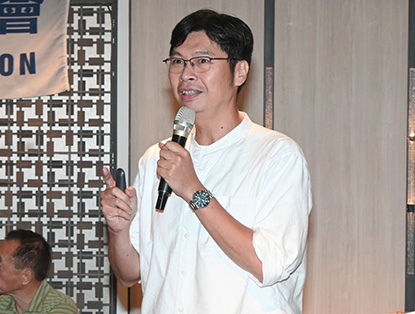 接著由國政委員賴榮一先生主講「建構新莊生活環境博物園區」。主講人首先表示新莊廟街近年面臨商圈蕭條、老屋拆除都更、老店歇業與文化意識衰退的困境。爰此,提出「建構新莊生活環境博物園區」構想,期望與新北市政府共同努力復甦新莊街。計畫結合輔仁大學跨系所課程與地方田野調查,提出以碧江街為核心的鋪面改造與人本友善巷弄提案。並串聯新北市府、在地廟宇及居民共同參與,凝聚在地共識,期盼深化文資保存意識,推動新莊生活環境與常民文化的永續復甦,讓新莊珍貴的文化資產在都市更新中妥善保存與永續傳承。 接著由國政委員賴榮一先生主講「建構新莊生活環境博物園區」。主講人首先表示新莊廟街近年面臨商圈蕭條、老屋拆除都更、老店歇業與文化意識衰退的困境。爰此,提出「建構新莊生活環境博物園區」構想,期望與新北市政府共同努力復甦新莊街。計畫結合輔仁大學跨系所課程與地方田野調查,提出以碧江街為核心的鋪面改造與人本友善巷弄提案。並串聯新北市府、在地廟宇及居民共同參與,凝聚在地共識,期盼深化文資保存意識,推動新莊生活環境與常民文化的永續復甦,讓新莊珍貴的文化資產在都市更新中妥善保存與永續傳承。
Next, Mr. Lai Jung-yi spoke on "The Construction of the Xinzhuang Ecomuseum." The speaker first stated that Xinzhuang Temple Street has faced difficulties in recent years, including a decline in the business district, demolition of old houses for urban renewal, closure of old shops, and a decline in cultural awareness. In light of this, the concept of the Xinzhuang Ecomuseum was introduced, aiming to collaborate with the New Taipei City Government on the revitalization of Xinzhuang Street. The program integrates Fu Jen Catholic University's cross-departmental courses and local field research, leading to proposals for Bijiang Street's core pavement renovations and human-centric lanes and alleyways. The initiative also connects the New Taipei City Government, local temples, and residents to build local consensus, hoping to deepen awareness of cultural heritage preservation, promote the sustainable recovery of Xinzhuang's living environment and everyday culture, and ensure that Xinzhuang's precious cultural assets are properly preserved and passed on in the process of urban renewal.
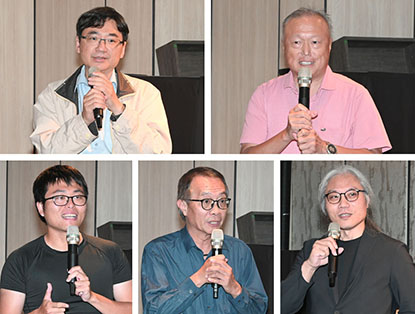 演講完畢,黃晉英秘書長代表基金會致贈謝禮予主講人。接著在與會者紛紛利用「餵豬時間」提出個人意見與看法交流後,圓滿地結束八月份國政聯誼會。 演講完畢,黃晉英秘書長代表基金會致贈謝禮予主講人。接著在與會者紛紛利用「餵豬時間」提出個人意見與看法交流後,圓滿地結束八月份國政聯誼會。
After the speech, Secretary General Huang Chin-ying presented a gift to the speakers on behalf of the foundation. Then, attendees expressed and exchanged their opinions and views during the piggy hour. The August Archilife Public Policy Communion ended smoothly.
|
|