Sketch of Archilife Study Tour, April 2026Date: 2026-05-21
Section: Activity | 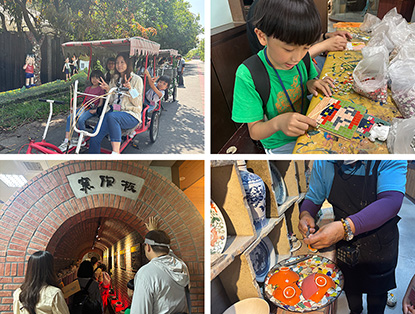 2026年4月26日由呂明澐小姐帶領18位見習生及其家長們,至嘉義進行交趾陶藝暨桔園酸甘甜之旅。首站造訪板陶窯交趾剪黏園區,導覽人員帶領眾人騎乘協力車環繞板頭藝術村,沿途可見圍籬、門牌等處皆融入交趾陶與剪黏工藝,展現傳統技藝與地方生活結合的特色。隨後,眾人進行馬賽克拼貼體驗,將白膠塗於木板後,依個人構想拼貼圖案。大家專注排列、沉浸於創作樂趣之中,時間也悄然流逝。用餐後,導覽人員接續介紹交趾陶與剪黏的歷史淵源及製作技法。交趾陶經打稿、塑形、修整、上釉與燒製等程序,方能呈現色彩鮮明、造型細緻的陶藝作品;剪黏工藝則需先完成構圖與粗胚,再將陶片或瓷片剪裁成所需形狀,逐一黏貼於作品表面,過程繁複且考驗匠師的耐心與技藝。此類作品常見於臺灣傳統廟宇屋脊、牆面及裝飾構件,題材多取自忠孝節義、歷史故事或神話傳說,不僅展現民間信仰的精神寄託,也呈現傳統工藝與地方文化交織而成的深厚美學內涵。 2026年4月26日由呂明澐小姐帶領18位見習生及其家長們,至嘉義進行交趾陶藝暨桔園酸甘甜之旅。首站造訪板陶窯交趾剪黏園區,導覽人員帶領眾人騎乘協力車環繞板頭藝術村,沿途可見圍籬、門牌等處皆融入交趾陶與剪黏工藝,展現傳統技藝與地方生活結合的特色。隨後,眾人進行馬賽克拼貼體驗,將白膠塗於木板後,依個人構想拼貼圖案。大家專注排列、沉浸於創作樂趣之中,時間也悄然流逝。用餐後,導覽人員接續介紹交趾陶與剪黏的歷史淵源及製作技法。交趾陶經打稿、塑形、修整、上釉與燒製等程序,方能呈現色彩鮮明、造型細緻的陶藝作品;剪黏工藝則需先完成構圖與粗胚,再將陶片或瓷片剪裁成所需形狀,逐一黏貼於作品表面,過程繁複且考驗匠師的耐心與技藝。此類作品常見於臺灣傳統廟宇屋脊、牆面及裝飾構件,題材多取自忠孝節義、歷史故事或神話傳說,不僅展現民間信仰的精神寄託,也呈現傳統工藝與地方文化交織而成的深厚美學內涵。
For the study tour of April 26, 2026, Ms. Lu Ming-yun led 18 ARF interns and their parents on a trip to explore Koji pottery and a citrus orchard in Chiayi. The first stop was Bantaoyao Crafts Studio of Jiao-Zhi Pottery & Chien-Nien. Led by the guide, everyone rode tandem bicycles around Bantou Art Village, observing how traditional crafts had been integrated into the community, with Koji pottery and ceramic appliqué seen on fences and doorplates. Everyone then took part in a mosaic-making activity, applying white glue to wooden boards and arranging mosaic pieces based on their own ideas. Fully engaged in the creative process, everyone enjoyed the activity and lost track of time. After lunch, everyone learned the history and techniques of Koji pottery and ceramic appliqué. Koji pottery's vibrant colors and intricate designs are a result of drafting, modeling, modifying, painting and firing; whereas ceramic appliqué requires getting the design and rough blank first, then cutting clay pieces into desired forms and pasting on the primary work, challenging one's patience and skill. Such craftworks are often seen on roof ridges, walls and ornaments in traditional Taiwanese temples, mostly depicting virtues such as loyalty and fidelity, historical stories, and myths or legends. They show the spiritual faith of local community and the depth of traditional craftsmanship and local culture.
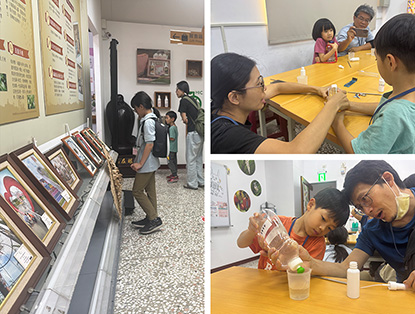 第二站來到月桃故事館。導覽人員首先介紹臺灣常見的月桃種類,包含烏來月桃、阿里山月桃等,品種豐富且分布廣泛。月桃又稱艷山薑,其根莖可作為料理食材,替代生薑使用;葉片常用於包裹粽子,葉鞘則能編織成搖籃等生活用品,可說全株皆具實用價值。認識月桃特色後,導覽人員帶領眾人進行消臭劑製作體驗。過去月桃多用於飲食與生活器具,如今亦廣泛運用於清潔用品。見習生們在家長協助下,依步驟精準加入各項原料,完成一瓶簡易又實用的月桃消臭劑,也從實作中體會月桃融入日常生活的多元價值。 第二站來到月桃故事館。導覽人員首先介紹臺灣常見的月桃種類,包含烏來月桃、阿里山月桃等,品種豐富且分布廣泛。月桃又稱艷山薑,其根莖可作為料理食材,替代生薑使用;葉片常用於包裹粽子,葉鞘則能編織成搖籃等生活用品,可說全株皆具實用價值。認識月桃特色後,導覽人員帶領眾人進行消臭劑製作體驗。過去月桃多用於飲食與生活器具,如今亦廣泛運用於清潔用品。見習生們在家長協助下,依步驟精準加入各項原料,完成一瓶簡易又實用的月桃消臭劑,也從實作中體會月桃融入日常生活的多元價值。
At the second stop, Shell Ginger Story House, everyone learned about common varieties of shell ginger in Taiwan, including Wulai and Alishan shell ginger. Also known as beautiful galangal, shell ginger has rhizomes that can be used in cooking, while its leaves are often used to wrap sticky rice dumplings and its leaf sheaths can be woven into household items such as cradles. Traditionally used for food and daily necessities, shell ginger is now also widely used in cleaning products. In the deodorizer-making activity, the interns carefully added the required ingredients with the help of their parents and completed a simple shell ginger deodorizer, gaining a better understanding of the plant’s practical uses in daily life.
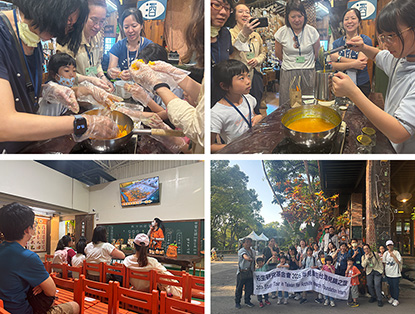 最後一站來到民雄金桔觀光工廠,導覽人員首先帶領眾人進行金桔果醬製作體驗。第一步為去籽,聽聞果籽帶有苦味,見習生們皆細心挑除,避免影響果醬風味;接著進行殺菁,將果肉加熱至沸騰後,再倒入果汁機打成果泥。隨後加入適量砂糖,以慢火細細熬煮,過程中眾人輪流接力攪拌,展現團隊合作精神。待果醬完成後,便進行填充與倒置保存,大家也拿取現場提供的餅乾,沾取剩餘果醬品嚐,入口即能感受金桔酸甜交織的滋味,與方才親手製作後的成就感相互呼應。其後,眾人跟隨導覽人員前往生產區參觀。導覽人員說明,金桔果實因果皮略帶澀味、果肉酸度較高,較不適合直接鮮食,因此多加工製成金桔酥、桔餅、蜜餞等產品,使其酸甜風味更易入口,也延伸出多元的在地特色食品。本次嘉義參訪行程結合傳統工藝、植物應用與在地食農體驗,透過一日豐富的學習與實作,大家更加認識地方文化、產業特色與日常飲食背後的不易。 最後一站來到民雄金桔觀光工廠,導覽人員首先帶領眾人進行金桔果醬製作體驗。第一步為去籽,聽聞果籽帶有苦味,見習生們皆細心挑除,避免影響果醬風味;接著進行殺菁,將果肉加熱至沸騰後,再倒入果汁機打成果泥。隨後加入適量砂糖,以慢火細細熬煮,過程中眾人輪流接力攪拌,展現團隊合作精神。待果醬完成後,便進行填充與倒置保存,大家也拿取現場提供的餅乾,沾取剩餘果醬品嚐,入口即能感受金桔酸甜交織的滋味,與方才親手製作後的成就感相互呼應。其後,眾人跟隨導覽人員前往生產區參觀。導覽人員說明,金桔果實因果皮略帶澀味、果肉酸度較高,較不適合直接鮮食,因此多加工製成金桔酥、桔餅、蜜餞等產品,使其酸甜風味更易入口,也延伸出多元的在地特色食品。本次嘉義參訪行程結合傳統工藝、植物應用與在地食農體驗,透過一日豐富的學習與實作,大家更加認識地方文化、產業特色與日常飲食背後的不易。
At the final stop, Minxiong Kumquat, everyone learned to make kumquat jam. As the seeds could cause bitterness, everyone carefully removed them. The fruit was then boiled and pureed in a blender. Sugar was then added, and the mixture was slowly cooked over low heat. Everyone took turns stirring it, showing great teamwork. Once the jam was ready, it was bottled and inverted for preservation. Everyone also tasted the remaining jam with cookies, enjoying its sweet-and-sour flavor along with the satisfaction of making their own jam. During the following visit to the production area, everyone learned that kumquats are less suitable for eating fresh because of their slightly astringent peel and acidic flesh. They are therefore commonly processed into kumquat pastries, candied kumquats and other products, creating a variety of local specialties. Combining traditional craftsmanship, plant applications and local food experiences, the study tour helped everyone better understand local culture, industries and the effort behind everyday food.
|
|