Sketch of Archilife Study Tour, November 2025Date: 2025-12-10
Section: Activity | 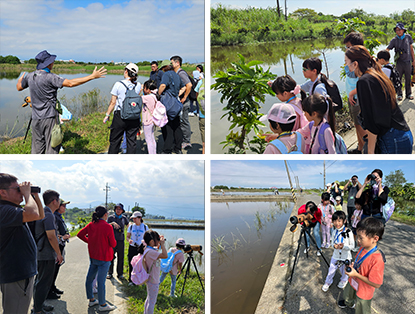 2025年11月8日由呂明澐小姐帶領18位祐生見習生及其家長們,至宜蘭進行五十二甲濕地生態暨偶戲藝術村體驗之旅。上午首站來到五結鄉的五十二甲濕地,該區由宜蘭縣政府委託荒野保護協會宜蘭分會管理。當日由協會人員帶領導覽,沿途介紹當地因地勢低窪而終年積水,形成大片沼澤環境,孕育豐富生態;又因臨近蘭陽溪口,更成為冬候鳥與過境猛禽停留覓食的重要棲地。大家透過望遠鏡眺望遠處,一群高蹺鴴正聚集休息,其細長鮮紅的雙腳格外醒目。導覽人員補充說,高蹺鴴又稱「紅腳娘子」,名稱便源自這項獨特特徵。牠們白天多半休息,清晨與傍晚才開始覓食,並以長長的鳥喙在水中左右掃動尋找食物;遇到強勁寒風時,則會聚集到蘆葦叢後方避風。見習生們輪流地使用大型望遠鏡觀察其他鳥類,如紅冠水雞、大小白鷺、花嘴鴨,以及善於潛水的小鷿鷈等,同時也好奇為何高蹺鴴群體數量如此龐大,導覽人員笑著解釋,高蹺鴴性情兇悍,其他鳥類往往不敢靠近,眾人聽後皆感驚訝又覺得十分有趣。 2025年11月8日由呂明澐小姐帶領18位祐生見習生及其家長們,至宜蘭進行五十二甲濕地生態暨偶戲藝術村體驗之旅。上午首站來到五結鄉的五十二甲濕地,該區由宜蘭縣政府委託荒野保護協會宜蘭分會管理。當日由協會人員帶領導覽,沿途介紹當地因地勢低窪而終年積水,形成大片沼澤環境,孕育豐富生態;又因臨近蘭陽溪口,更成為冬候鳥與過境猛禽停留覓食的重要棲地。大家透過望遠鏡眺望遠處,一群高蹺鴴正聚集休息,其細長鮮紅的雙腳格外醒目。導覽人員補充說,高蹺鴴又稱「紅腳娘子」,名稱便源自這項獨特特徵。牠們白天多半休息,清晨與傍晚才開始覓食,並以長長的鳥喙在水中左右掃動尋找食物;遇到強勁寒風時,則會聚集到蘆葦叢後方避風。見習生們輪流地使用大型望遠鏡觀察其他鳥類,如紅冠水雞、大小白鷺、花嘴鴨,以及善於潛水的小鷿鷈等,同時也好奇為何高蹺鴴群體數量如此龐大,導覽人員笑著解釋,高蹺鴴性情兇悍,其他鳥類往往不敢靠近,眾人聽後皆感驚訝又覺得十分有趣。
For the study tour of November 8, 2025, Ms. Lu Ming-yun led 18 ARF interns and their parents on a trip to explore the wetland ecosystem and puppet art. First stop of the day was Wushierjia Wetlands in Wujie Township. Commissioned to manage the wetland by the Yilan County Government, the Society of Wilderness' Yilan branch provided guides for the tour, who explained that the wetland was formed by saturation of water on low-lying land. Teeming with diverse life forms, its proximity to Lanyang river estuary makes it a critical habitat for migratory birds. Looking through binoculars, everyone saw a flock of black-winged stilts with long, bright red legs, which give them the nickname "red-legged ladies." These birds mostly rest during the day and forage in the early morning and evening. They sweep for food in the water with their long beaks and seek shelter against strong wind behind reedbeds. Interns used large binoculars to observe other birds, such as common moorhen, egret, spot-billed duck, and little grebe. These birds are present in large numbers, as their aggressiveness often frightens off other birds.
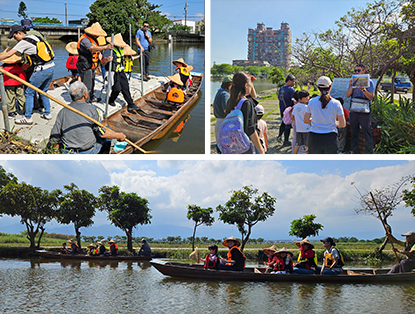 告別濕地與群鳥後,眾人乘坐鴨母船,悠然航行於波光粼粼的五股圳,導覽人員說明多數河道經截彎取直以利水路暢通,但如果比照百年前舊地圖可見,五股圳仍保有原始蜿蜒風貌;此處屬冬山河流域,昔日排水不易、易淹水,流傳著「三年無做大水,豬母就有金耳勾通掛」的俗諺,形容連續三年不淹大水幾乎是不可能的事。當年水路交通反比陸路發達,鴨母船兼具運輸、捕魚與趕鴨多種功能,幾乎戶戶必備,如今治水有成,鴨母船也隨時代走入歷史,僅五股圳風箱樹碼頭仍保存八艘,今日由經驗老道的船夫掌舵撐篙,循著百年前的河道前行,彷彿穿越時空,重返先民生活的歲月。 告別濕地與群鳥後,眾人乘坐鴨母船,悠然航行於波光粼粼的五股圳,導覽人員說明多數河道經截彎取直以利水路暢通,但如果比照百年前舊地圖可見,五股圳仍保有原始蜿蜒風貌;此處屬冬山河流域,昔日排水不易、易淹水,流傳著「三年無做大水,豬母就有金耳勾通掛」的俗諺,形容連續三年不淹大水幾乎是不可能的事。當年水路交通反比陸路發達,鴨母船兼具運輸、捕魚與趕鴨多種功能,幾乎戶戶必備,如今治水有成,鴨母船也隨時代走入歷史,僅五股圳風箱樹碼頭仍保存八艘,今日由經驗老道的船夫掌舵撐篙,循著百年前的河道前行,彷彿穿越時空,重返先民生活的歲月。
Riding in a duck boat along Wugu Canal, interns learned that while most rivers are straightened to facilitate water flow, Wugu Canal has kept its meandering pattern. As part of Dongshan River, the area was prone to flooding due to difficulty in draining excess water. In the past, river transportation was more developed than land transportation. Virtually every household had duck boats for transportation, fishing or herding ducks. With successful flood control in place today, only 8 duck boats remain at Fengxiangshu Pier along the Wugu Canal. Steered by an experienced boatman, everyone rode along the river, reliving the route taken by early people.
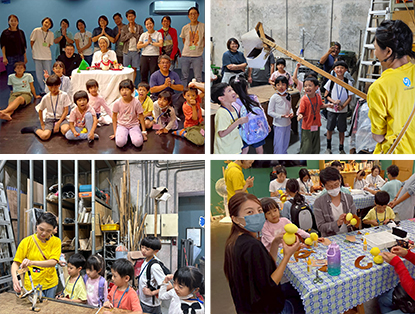 下午前往利澤國際偶戲藝術村,該園區由「無獨有偶工作室劇團」成立,將老舊穀倉活化為展演與創作空間,並邀集來自各國的創作者進駐交流,推廣多元藝術活動。眾人首先欣賞泰國藝術家Jae Sirikarn Bunjongtad 的《Lost & Found》,生動的動物戲偶搭配細膩配音,深深吸引著大家的目光。演出結束後,在藝術家同意下,見習生們近距離觀察及觸摸劇中各類動物戲偶及道具,其中三隻小巧靈動的小老鼠,尤其深受喜愛。隨後參訪製偶教室及木工廠,導覽人員介紹製作戲偶必先完成骨架,其大小與可動性皆依表演需求設計,例如《小紅帽》中的大野狼,因吞食動作頻繁,嘴部骨架便特別強化;測試功能的骨架材料多取自日常用品,連咖啡紙杯也能變身小雞。稍早演出所用為「執頭偶」,也是本次DIY的偶種,現場提供獅子與熊貓選擇,多數人挑戰難度較高的獅子,並運用剩餘素材自由創作,為戲偶增添獨特色彩。至此,本日活動已近尾聲,大家合影留念後搭車返程,並期待於下次見識之旅再相見。In the afternoon, everyone visited Lize Puppet Art Colony, founded by Puppet & Its Double Theater. Originally an old barn, it is now a venue for performance and creativity, where creators worldwide gather to promote diverse artistic activities. While watching the show "Lost & Found," created by Thai artist Jae Sirikarn Bunjongtad. Everyone was captivated by the lively animal puppets and masterful voice acting. Interns were able to observe and touch animal puppets and tools featured in the show. In the puppet-making classroom and woodwork workshop, interns learned that the framework is essential when making a puppet. Size and mobility depend on performance needs, e.g. due to its frequent swallowing action, the big bad wolf in "Little Red Riding Hood" must have a reinforced mouth. Materials for constructing a puppet framework often come from everyday items – even a paper cup can be turned into a chick. Interns learned to make tabletop puppets, choosing either a lion or panda. Most chose the more challenging lion puppet and used leftover materials to add personal touches. As the day ended, everyone gathered to take a group photo before the journey home and looked forward to the next study tour. 下午前往利澤國際偶戲藝術村,該園區由「無獨有偶工作室劇團」成立,將老舊穀倉活化為展演與創作空間,並邀集來自各國的創作者進駐交流,推廣多元藝術活動。眾人首先欣賞泰國藝術家Jae Sirikarn Bunjongtad 的《Lost & Found》,生動的動物戲偶搭配細膩配音,深深吸引著大家的目光。演出結束後,在藝術家同意下,見習生們近距離觀察及觸摸劇中各類動物戲偶及道具,其中三隻小巧靈動的小老鼠,尤其深受喜愛。隨後參訪製偶教室及木工廠,導覽人員介紹製作戲偶必先完成骨架,其大小與可動性皆依表演需求設計,例如《小紅帽》中的大野狼,因吞食動作頻繁,嘴部骨架便特別強化;測試功能的骨架材料多取自日常用品,連咖啡紙杯也能變身小雞。稍早演出所用為「執頭偶」,也是本次DIY的偶種,現場提供獅子與熊貓選擇,多數人挑戰難度較高的獅子,並運用剩餘素材自由創作,為戲偶增添獨特色彩。至此,本日活動已近尾聲,大家合影留念後搭車返程,並期待於下次見識之旅再相見。In the afternoon, everyone visited Lize Puppet Art Colony, founded by Puppet & Its Double Theater. Originally an old barn, it is now a venue for performance and creativity, where creators worldwide gather to promote diverse artistic activities. While watching the show "Lost & Found," created by Thai artist Jae Sirikarn Bunjongtad. Everyone was captivated by the lively animal puppets and masterful voice acting. Interns were able to observe and touch animal puppets and tools featured in the show. In the puppet-making classroom and woodwork workshop, interns learned that the framework is essential when making a puppet. Size and mobility depend on performance needs, e.g. due to its frequent swallowing action, the big bad wolf in "Little Red Riding Hood" must have a reinforced mouth. Materials for constructing a puppet framework often come from everyday items – even a paper cup can be turned into a chick. Interns learned to make tabletop puppets, choosing either a lion or panda. Most chose the more challenging lion puppet and used leftover materials to add personal touches. As the day ended, everyone gathered to take a group photo before the journey home and looked forward to the next study tour.
|
|