Sponsorship of FreeSEED "Made In Taiwan" LLM ProjectDate: 2025-03-13
Section: Sponsorships | 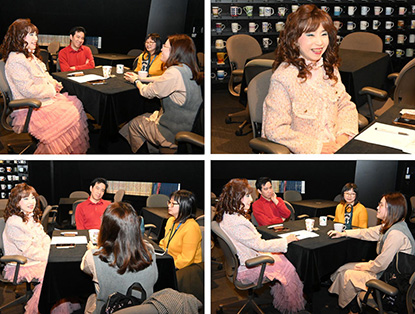 過去三年以來,由大型語言模型(LLM)所創造的AI浪潮已廣為人知,而2025年2月由開源社群發起,基於DeepSeek R1為基礎進行改造的「『台灣製造』大型語言模型計畫」亦應運而生。其技術重點在於重新訓練並以開源授權釋出模型權重;打造新的模型身份與品牌。有機會將台灣繁體中文、民主價值觀與台灣主體性,加入到未來一線頂尖大型語言模型之中。 過去三年以來,由大型語言模型(LLM)所創造的AI浪潮已廣為人知,而2025年2月由開源社群發起,基於DeepSeek R1為基礎進行改造的「『台灣製造』大型語言模型計畫」亦應運而生。其技術重點在於重新訓練並以開源授權釋出模型權重;打造新的模型身份與品牌。有機會將台灣繁體中文、民主價值觀與台灣主體性,加入到未來一線頂尖大型語言模型之中。
Over the past three years, a surge in artificial intelligence, driven by Large Language Model (LLM), has garnered widespread recognition. Initiated by an open-source community in February 2025, the DeepSeek R1-based "Made in Taiwan" Large Language Model Project also came into existence. Its technical emphasis is on retraining and releasing model weights under open-source authorization, thereby establishing a new model identity and brand. It has the potential to incorporate Taiwan's traditional Chinese, democratic values, and subjectivity into future top-tier large language models.
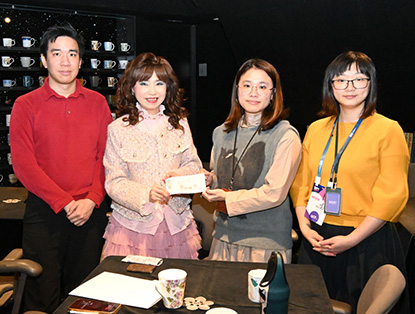 本會長期進行知識累積,建構祐生觀點,並鼓勵成員進行知識交流分享,其終極目標與LLM或有重疊之處,應可相輔相成。故特於2025年2月27日假本會蟲洞,由林容生董事長及黃晉英秘書長代表祐生研究基金會,捐贈新台幣伍佰萬元整予為此計畫專責募款的開放文化基金會。會中並交流未來可能的延續方向,包括佈署具祐生文本、祐生觀點的整合應用服務,或是做為研判未來發展的工具,皆具有可行性。 本會長期進行知識累積,建構祐生觀點,並鼓勵成員進行知識交流分享,其終極目標與LLM或有重疊之處,應可相輔相成。故特於2025年2月27日假本會蟲洞,由林容生董事長及黃晉英秘書長代表祐生研究基金會,捐贈新台幣伍佰萬元整予為此計畫專責募款的開放文化基金會。會中並交流未來可能的延續方向,包括佈署具祐生文本、祐生觀點的整合應用服務,或是做為研判未來發展的工具,皆具有可行性。
The Archilife Research Foundation has consistently strived to accumulate knowledge, develop Archilife perspectives, and encourage our members to engage in knowledge exchange and sharing. Its ultimate goal may overlap with that of Large Language Model (LLM), but the two complement each other. As a result, on February 27, 2025, President Lin Rung-sheng and Secretary General Huang Chin-ying made a NT$5,000,000 donation on behalf of the Archilife Research Foundation to the Open Culture Foundation, the project's dedicated fundraiser. During the meeting, ideas for possible long-term future directions were deliberated, including the deployment of integration and application services that incorporate Archilife's texts and perspectives, as well as their use as tools to guide future development–all of which are feasible.
|
|