Sketch of Public Policy Communion, November 2025Date: 2025-12-22
Section: Activity | 
本會於2025年11月16日假晶華酒店地下三樓晶英會舉行「祐生國政聯誼會」。由主持人黃晉英秘書長宣布後揭開當日活動序幕,在輕鬆、活潑的節目之下,隨即由主持人帶來重要訊息:「APEC領袖峰會已於10月31日至11月1日在韓國舉行,台灣由林信義先生代表出席,向國際清楚傳達台灣的重要立場與主張。除此之外,蕭美琴副總統應邀赴歐洲出席IPAC布魯塞爾年會,並發表演說。隨後,蔡英文前總統也出訪德國,應邀出席「柏林自由會議」,發表專題演說,分享台灣的民主韌性與國際經驗,展現台灣在國際舞台上持續堅定的聲音。相信透過政府與全民共同努力,我們必能在競爭激烈的國際環境中站穩腳步,為台灣創造更多機會,持續向世界傳遞台灣的韌性與力量。」
The November Archilife Public Policy Communion of 2025 was held on November 16, 2025. After a series of relaxing and fun activities, Secretary General Huang Chin-ying made the following announcement, "The APEC Economic Leaders' Meeting was held in South Korea from October 31 to November 1. Mr. Lin Hsin-yi, representing Taiwan, attended and explicitly articulated Taiwan's principal stance and claim to the international community. Additionally, Vice President Hsiao Bi-khim was invited to visit Europe and attend the IPAC Annual Summit, where she delivered a speech. Former President Tsai Ing-wen later visited Germany and was invited to the "Berlin Freedom Conference," where she delivered a keynote speech highlighting Taiwan's democratic resilience and global experience, as well as demonstrating Taiwan's unwavering voice in the global stage. With the collaborative efforts of the government and all citizens, we expect to establish a robust presence in the highly competitive international environment. This will enhance Taiwan's opportunities while concurrently demonstrating its resilience and strength to the world."
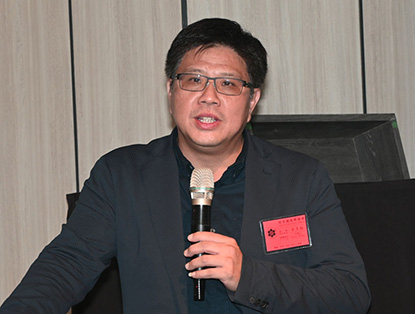 緊接著進行專題演講,由國政委員李彥頤先生主講「推動嘉義木都「嘉屋」政策的過程分享」。主講人首先表示嘉義市政府自2023年起啟動「嘉屋計畫」,目標是將現代木構造納入城市發展核心,展現永續城市的願景。並於2024年底辦理「嘉屋」木造集居示範設計競圖徵件,於2025年啟動「嘉屋」示範案公開徵集,廣邀全國建築團隊參與提案。嘉義市宜居建築設計原則,即為回應熱帶風土的「涼適」低碳建築,孕育生活風景的「活力」人本建築,傳承百年風華的「新木都」永續建築。主講人也請大家思考良好住宅的條件,應跳脫資本主義市場的制約,回歸本質為健康舒適且能帶給心靈安慰的空間。 緊接著進行專題演講,由國政委員李彥頤先生主講「推動嘉義木都「嘉屋」政策的過程分享」。主講人首先表示嘉義市政府自2023年起啟動「嘉屋計畫」,目標是將現代木構造納入城市發展核心,展現永續城市的願景。並於2024年底辦理「嘉屋」木造集居示範設計競圖徵件,於2025年啟動「嘉屋」示範案公開徵集,廣邀全國建築團隊參與提案。嘉義市宜居建築設計原則,即為回應熱帶風土的「涼適」低碳建築,孕育生活風景的「活力」人本建築,傳承百年風華的「新木都」永續建築。主講人也請大家思考良好住宅的條件,應跳脫資本主義市場的制約,回歸本質為健康舒適且能帶給心靈安慰的空間。
Next on the schedule was the keynote speech. First, Mr. Li Yen-yi presented a speech on the "Sharing the Process of Promoting Chiayi City (Timber City)'s "Chiayi Housing" Policy." The speaker stated that the Chiayi City Government has been executing the "Chiayi Housing Plan" since 2023, with the goal of incorporating contemporary wooden architecture into the core of urban development, and demonstrating a commitment to sustainability. Additionally, the "Chiayi Housing" Wooden Collective Housing Demonstration Design Contest entry solicitation was held at the end of 2024. In 2025, entries for the "Chiayi Housing Demonstration Project" were made public. An invitation was extended to architectural teams across the country to participate and submit proposals. The design principles for Chiayi City's livable architecture encompass the "cool and comfortable" low-carbon structures that respond to the tropical climate; dynamic people-centered buildings that foster landscapes; and New Timber City's sustainable buildings that embody a century of heritage. The speaker further urged everyone to consider the criteria for ideal housing, which should transcend the confines of a capitalistic market and return to the essence of a space centered on health and comfort, providing spiritual comfort.
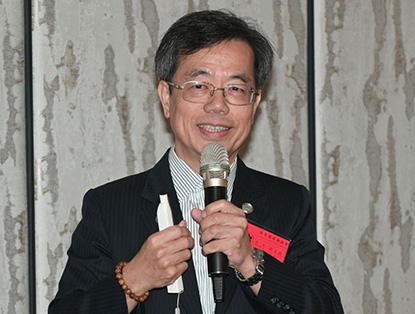 接著由國政委員邵文政先生主講「循環經濟之建築設計策略」。主講人首先說明「循環經濟」是一套資源可回復、可再生的經濟和產業系統,實現零廢棄與資源永續利用。而「綠色設計」表示在產品構思及設計階段,就必須考慮降低能源消耗、資源重複利用,以保護生態環境,以及在產品製造和使用過程中要做到可拆卸、易回收,不產生有毒物質及最少廢棄物。主講人接著提到「搖籃到搖籃」的五個須兼顧的面向為:產品循環性、社會公平性、材料健康性、空氣及氣候對策與水土管理。主講人最後也提到與其他專家學者共同研發的「無機聚合高壓貝殼磚」,為全球首例由大學研發並兼具專利的C2C產品。 接著由國政委員邵文政先生主講「循環經濟之建築設計策略」。主講人首先說明「循環經濟」是一套資源可回復、可再生的經濟和產業系統,實現零廢棄與資源永續利用。而「綠色設計」表示在產品構思及設計階段,就必須考慮降低能源消耗、資源重複利用,以保護生態環境,以及在產品製造和使用過程中要做到可拆卸、易回收,不產生有毒物質及最少廢棄物。主講人接著提到「搖籃到搖籃」的五個須兼顧的面向為:產品循環性、社會公平性、材料健康性、空氣及氣候對策與水土管理。主講人最後也提到與其他專家學者共同研發的「無機聚合高壓貝殼磚」,為全球首例由大學研發並兼具專利的C2C產品。
Next, Mr. Shao Wen-cheng spoke on "The Strategy for Architectural Design in a Circular Economy." The speaker began by stating that a circular economy constitutes an economic and industrial framework centered on resource recovery and regeneration. The goal is to achieve zero waste and the sustainable use of resources. Green design involves considering the reduction of energy consumption and the reutilization of resources throughout the product conceptualization and design phases to safeguard the ecological environment. It also aims to ensure that during manufacturing and usage, the product is "dismantlable, recyclable, non-toxic, and generates minimal waste." The speaker then discussed "from cradle to cradle," which encompasses five areas for consideration: product recycling, social justice, material health, air and climate strategies, and soil management. Finally, the speaker indicated that the high-pressure shell bricks, composed of inorganic polymers, were developed through collaborative research by experts and scholars, establishing them as the world's first C2C product researched and developed by a university and holding a patent.
 接著由國政委員蔡孟傑先生主講「總統盃黑客松經驗談」。主講人首先表示黑客松活動於2015年開始導入各組織單位,鼓勵科學家、專家多方交流,透過公部門及私領域協力合作,共同加速公共服務優化,提升國民福祉。而主講人於2024年參與黑客松提出的專案「背水疫戰」,也獲得肯定,旨在監測汙水中登革熱病毒,使能有效調度人力資源,快速控制疫情蔓延,進而提升登革熱防治效率,並能大幅降低防疫開銷。主講人表示未來將建立多重病原體預警系統,使能預知風險,精準防疫,守護健康,並期望能進一步推廣到國際舞台上。 接著由國政委員蔡孟傑先生主講「總統盃黑客松經驗談」。主講人首先表示黑客松活動於2015年開始導入各組織單位,鼓勵科學家、專家多方交流,透過公部門及私領域協力合作,共同加速公共服務優化,提升國民福祉。而主講人於2024年參與黑客松提出的專案「背水疫戰」,也獲得肯定,旨在監測汙水中登革熱病毒,使能有效調度人力資源,快速控制疫情蔓延,進而提升登革熱防治效率,並能大幅降低防疫開銷。主講人表示未來將建立多重病原體預警系統,使能預知風險,精準防疫,守護健康,並期望能進一步推廣到國際舞台上。
Next, Mr. Tsai Meng-chieh spoke on "The Presidential Cup Hackathon Experience." The speaker first stated that the hackathon event introduced various organizational units starting in 2015 and encouraged collaboration among scientists and experts. Public service optimization was accelerated through collaboration between the public and private sectors to improve public welfare. During the 2024 Hackathon, the speaker's proposed project "Back Against the Epidemic Wall" was also recognized. The objective was to monitor the dengue fever virus in wastewater to efficiently deploy human resources and quickly control the spread of the epidemic, thereby improving dengue fever prevention efforts and significantly lowering epidemic prevention costs. The speaker indicated that, in the future, a multi-pathogen early warning system will be established to forecast risks, prevent epidemics accurately, safeguard public health, and extend its scope to the global stage.
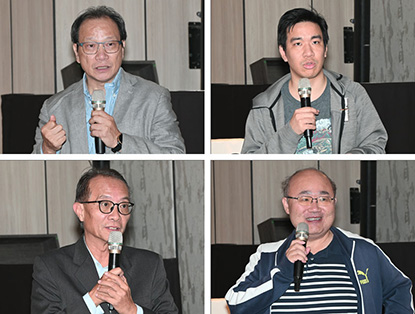 演講完畢,黃晉英秘書長代表基金會致贈謝禮予主講人。接著在與會者紛紛利用「餵豬時間」提出個人意見與看法交流後,圓滿地結束十一月份國政聯誼會。 演講完畢,黃晉英秘書長代表基金會致贈謝禮予主講人。接著在與會者紛紛利用「餵豬時間」提出個人意見與看法交流後,圓滿地結束十一月份國政聯誼會。
After the speech, Secretary General Huang Chin-ying presented a gift to the speakers on behalf of the foundation. Then, attendees expressed and exchanged their opinions and views during the piggy hour. The November Archilife Public Policy Communion ended smoothly.
|
|